
Introduction
Power outages can happen unexpectedly—from storms and wildfires to equipment failure or grid overload. When the power goes out, everyday essentials like lighting, heating, refrigeration, and communication can quickly become problems.
The good news is that with a little preparation, you can stay safe, comfortable, and in control. This guide will walk you through exactly how to prepare for a power outage at home, even if you’re starting from scratch.
Why Power Outages Happen
Understanding why outages happen helps you take them seriously and prepare properly.
Common causes include:
- Severe weather (storms, snow, high winds)
- Wildfires or extreme heat
- Equipment failure or maintenance
- Overloaded power grids
Outages can last anywhere from a few hours to several days, depending on the situation.
Essential Supplies for a Power Outage
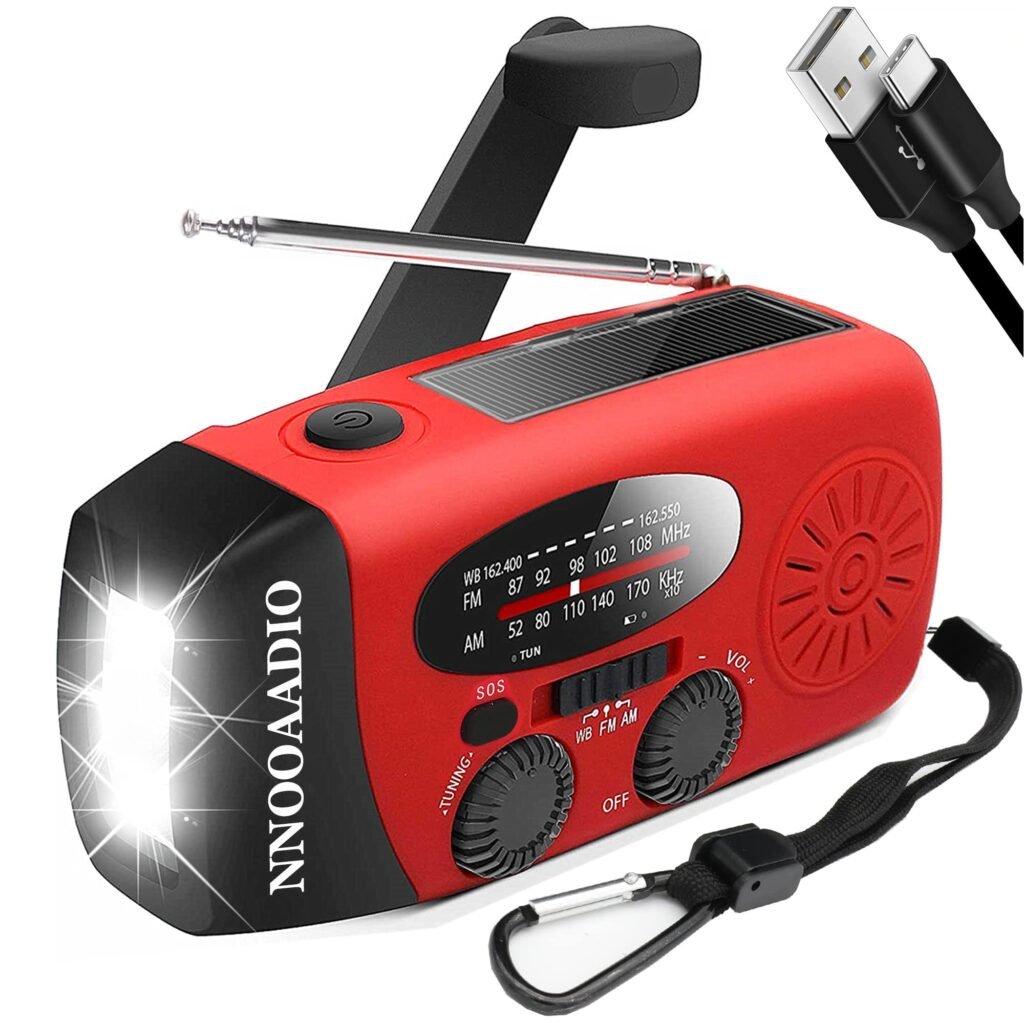
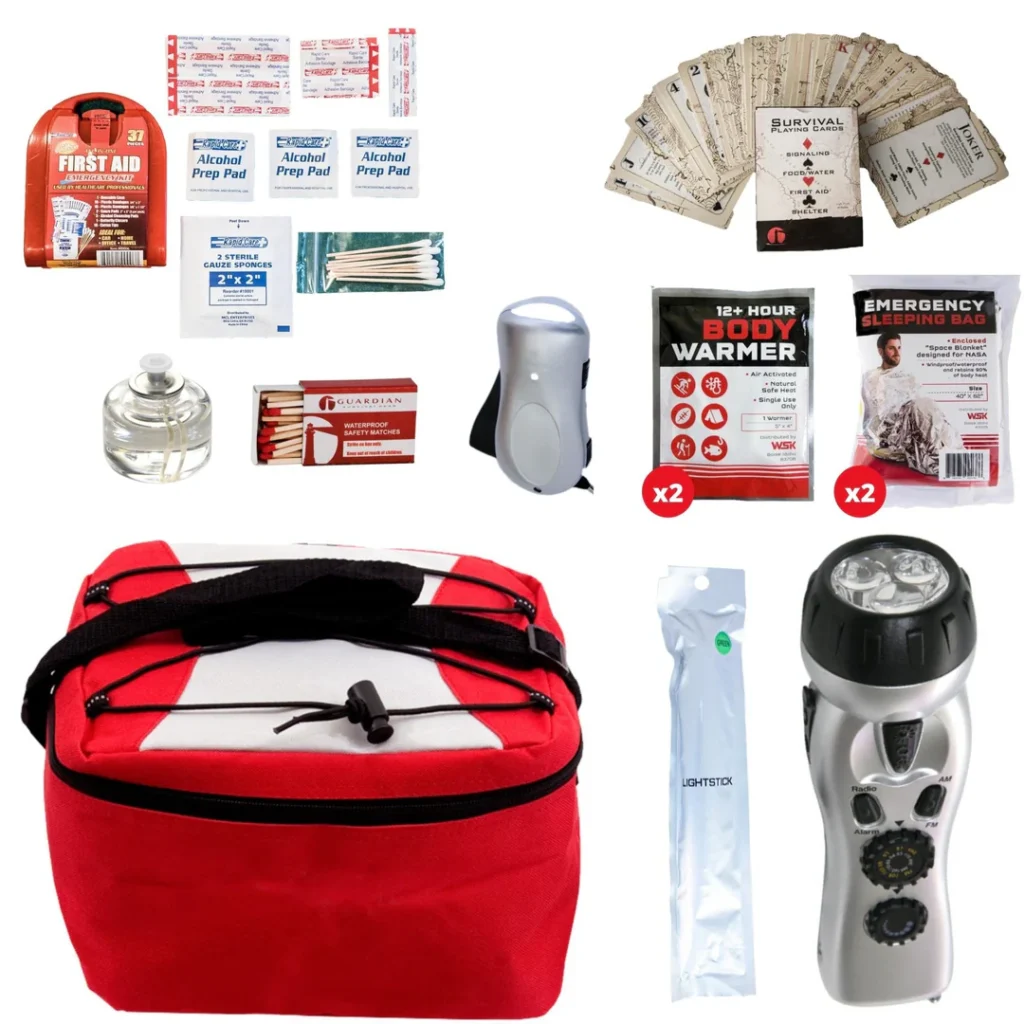
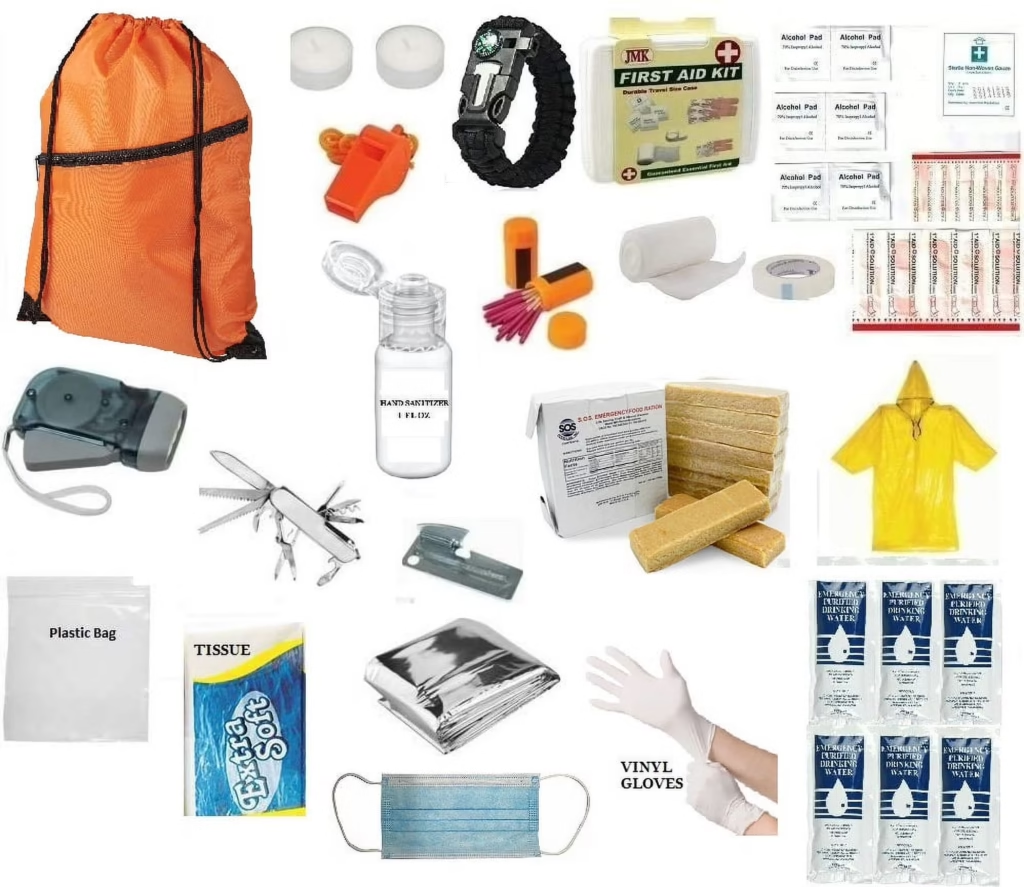
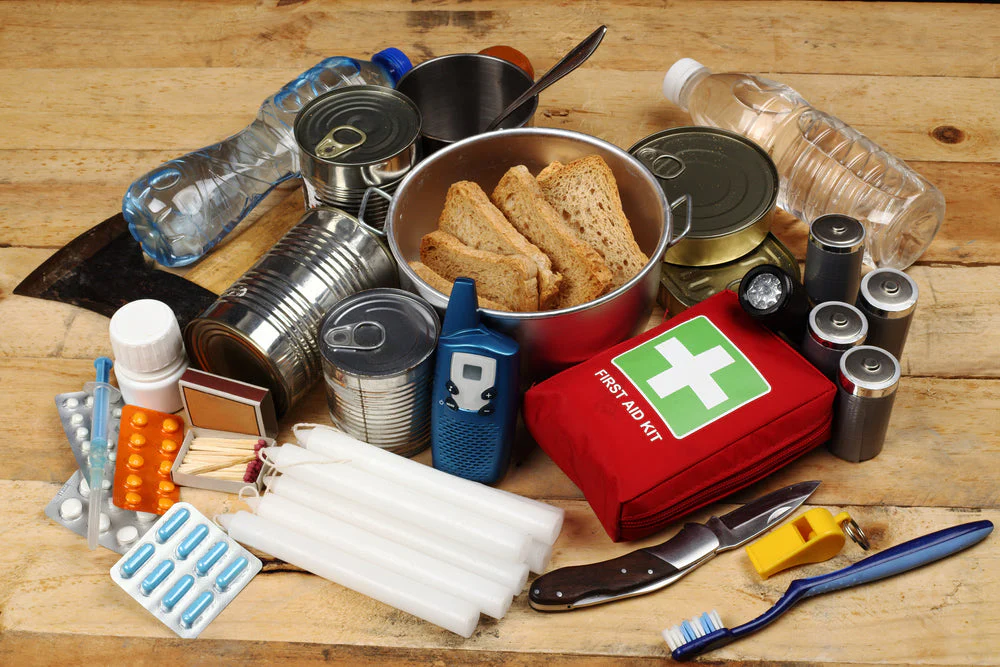
Having the right supplies ready makes a huge difference.
Basic emergency supplies:
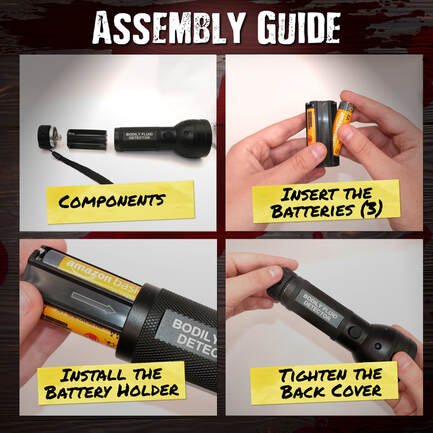
- Flashlights (avoid relying only on candles)
- Extra batteries
- Portable phone chargers or power banks
- Battery-powered or hand-crank radio
- First aid kit
- Bottled water or stored water supply
Power Outage Preparation Checklist
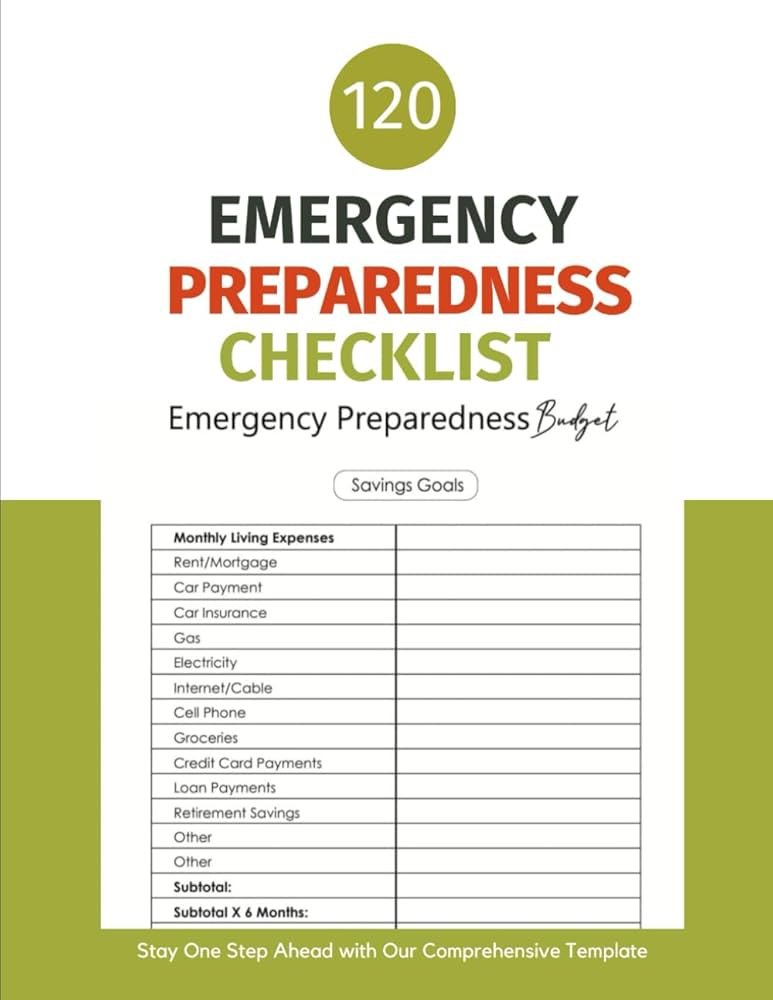
Use this simple checklist to get prepared:
Before an outage:
- Charge all phones and power banks
- Stock up on water and food
- Check flashlights and batteries
- Set fridge and freezer to coldest settings
- Have a backup light source ready
Plan ahead:
- Know where emergency supplies are stored
- Have a communication plan for your family
- Keep important numbers written down
Make sure you also have enough water stored—here’s a complete guide on how to store water long term.
How to Keep Food Safe During a Power Outage

Food safety is one of the biggest concerns during an outage.
Tips to keep food safe:
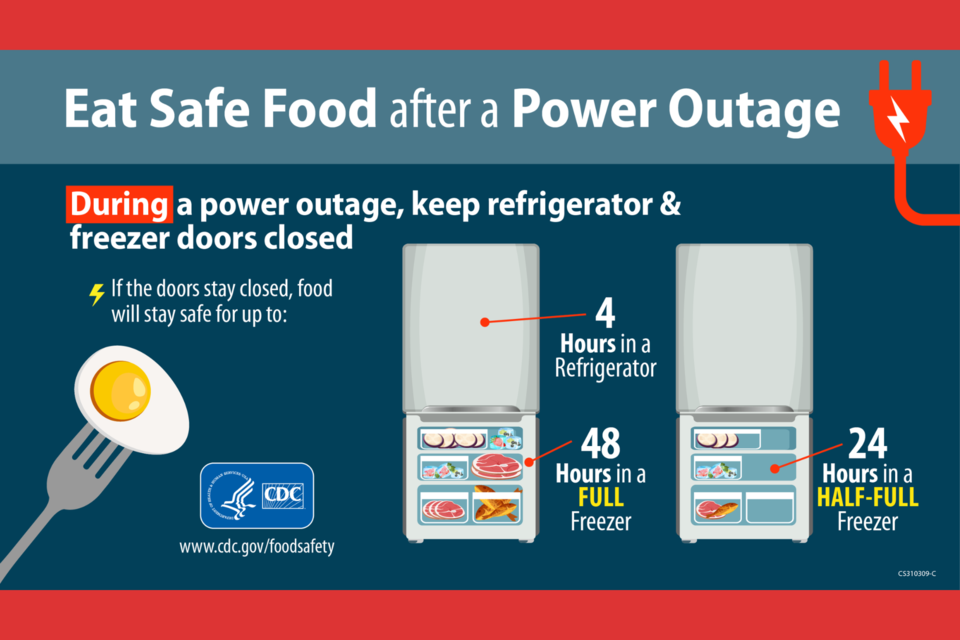
- Keep fridge and freezer doors closed
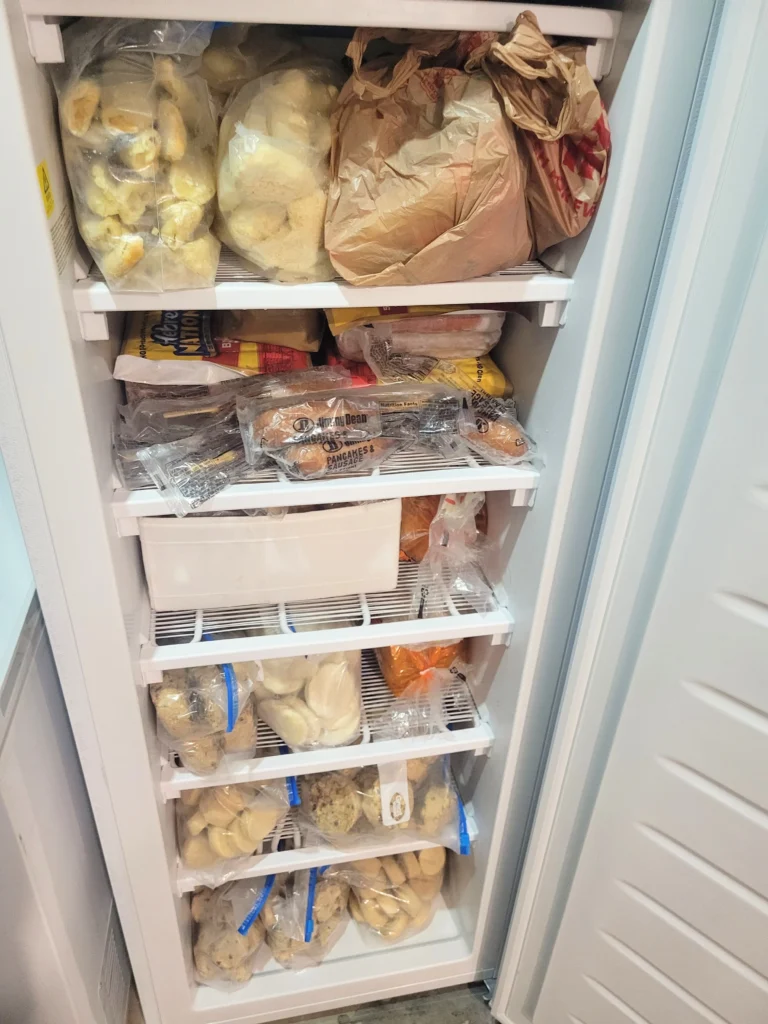
- A full freezer stays cold longer
- Use coolers with ice if needed
General rule:
- Fridge: safe for about 4 hours
- Freezer: up to 48 hours if unopened
How to Stay Warm (or Cool) Without Power

Temperature control is critical during longer outages.
Staying warm:
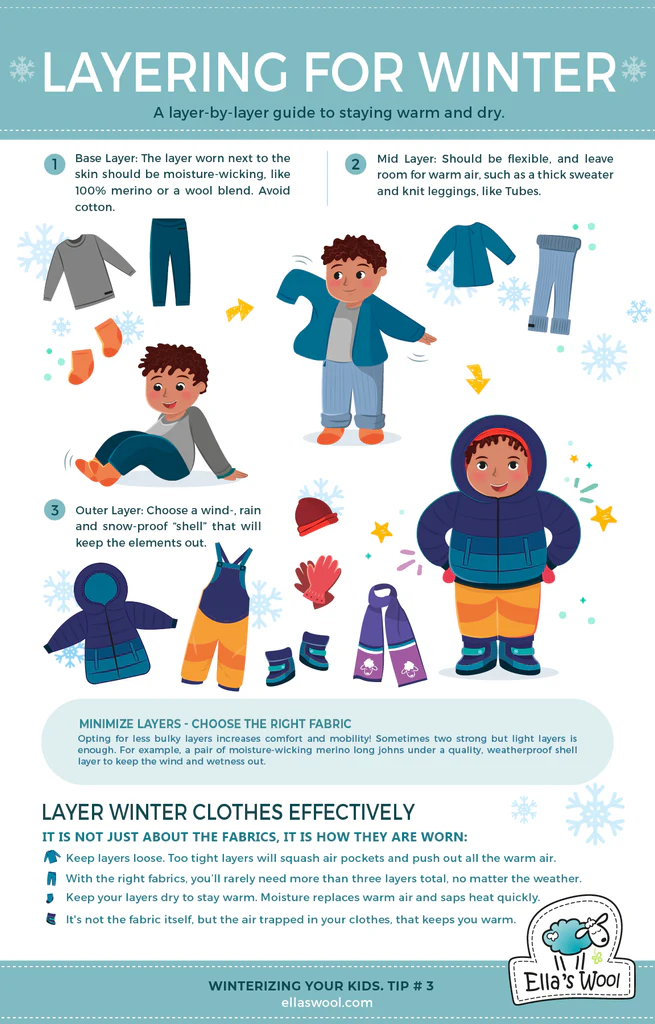
- Wear layered clothing
- Use blankets and sleeping bags
- Stay in one room to conserve heat
Staying cool:
- Stay hydrated
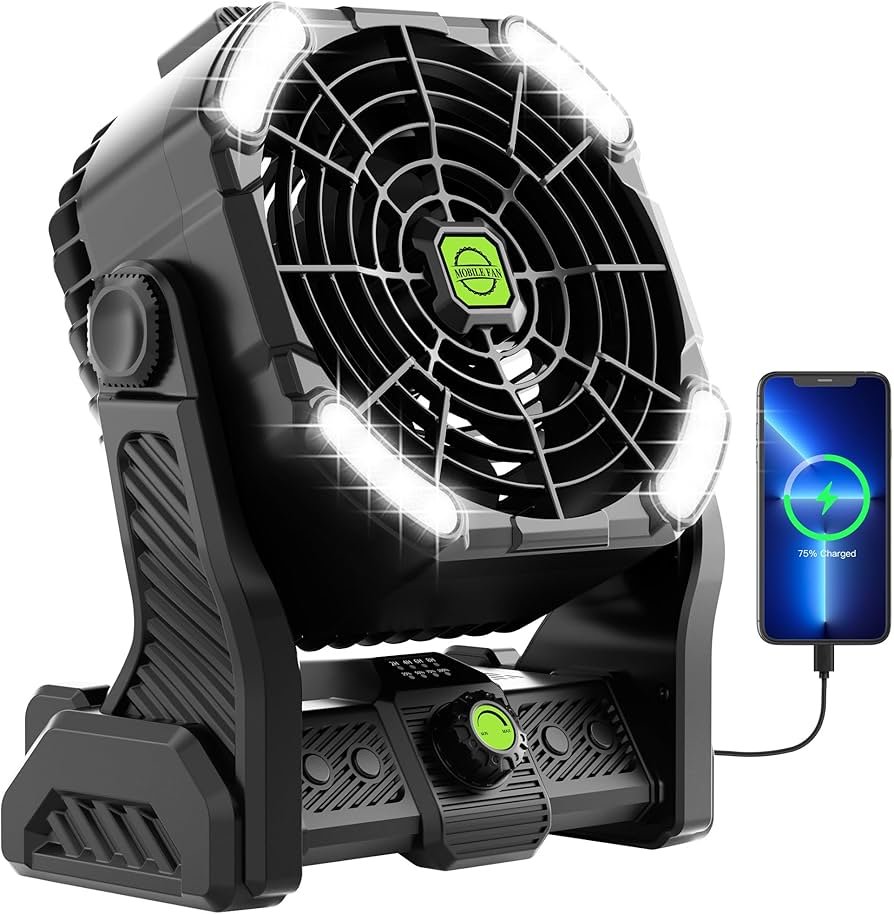
- Use battery-powered fans
- Keep windows covered during the day
What to Do During a Power Outage
When the power goes out, stay calm and follow these steps:
- Check if the outage affects your whole area
- Unplug sensitive electronics
- Use flashlights instead of candles when possible
- Keep refrigerator and freezer closed
- Listen to a radio for updates
Common Mistakes to Avoid
Avoid these common errors:
- Waiting until an outage happens to prepare
- Using candles unsafely (fire risk)
- Opening the fridge too often
- Not having enough water stored
- Forgetting to charge devices
Frequently Asked Questions
How long can you survive a power outage?
It depends on your preparation. With proper supplies, you can stay safe for several days or longer.
What should you do first in a power outage?
Check your surroundings, confirm the outage, and secure essential items like lighting and communication.
How do you stay warm during a power outage?
Layer clothing, use blankets, and stay in a smaller, insulated space.
Conclusion
Preparing for a power outage doesn’t require expensive gear or complicated planning. With a few basic supplies and a simple plan, you can handle outages with confidence.
Start small, build your preparedness over time, and make sure your household knows what to do. Being ready today can make a big difference when the lights go out.